About this place
Copacabana is a neighborhood in the South Zone (Zona Sul) of Rio de Janeiro, Brazil. It is situated between the neighborhoods of Leme at its eastern end and Ipanema to the west, separated from the latter by a small headland. Copacabana is one of the most famous and densely populated neighborhoods in the world, characterized by its mix of high-rise residential buildings, hotels, restaurants, and bars that line the streets behind its famous beach. The main thoroughfare, Avenida Atlântica, runs the entire length of the beachfront. The area is known for its energetic and bustling atmosphere, which persists day and night.
The Beach and its Promenade
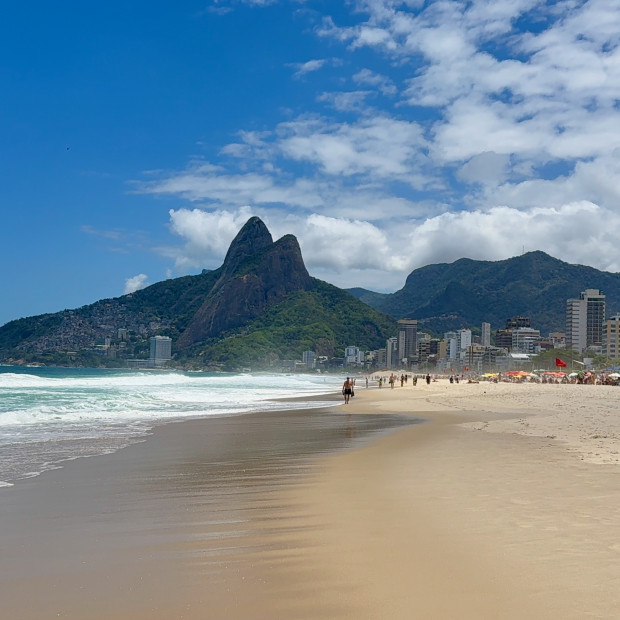
The centerpiece of the neighborhood is its 4-kilometer (2.5-mile) long, wide, crescent-shaped beach. The beach is a major public space for both residents (cariocas) and tourists, constantly active with people sunbathing, walking, and playing sports like beach soccer and foot-volley. Like Ipanema, the beach is informally divided by numbered lifeguard towers called postos, which often serve as social reference points.
Running parallel to the sand is the iconic Copacabana promenade, or calçadão. This wide walkway is a work of landscape art designed by Roberto Burle Marx and is famous for its graphic wave pattern, rendered in black and white Portuguese pavement stones (pedras portuguesas). This distinctive design has become a symbol of the neighborhood and of Rio de Janeiro itself.
The Defining Landmarks
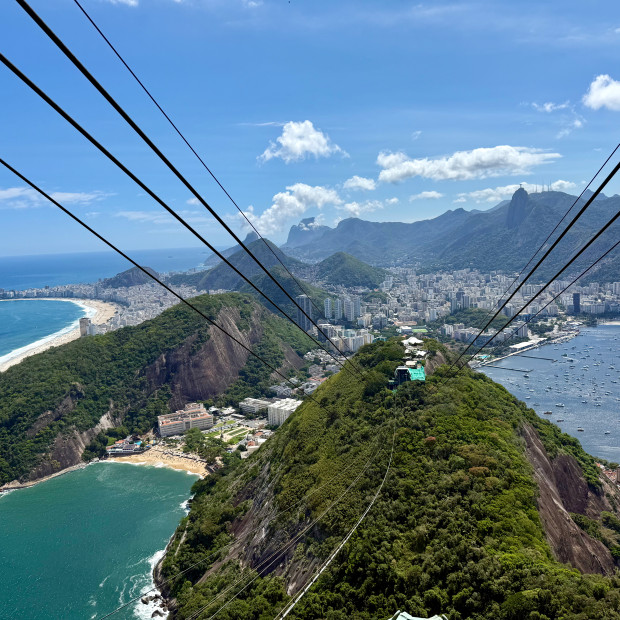
Copacabana beach is framed by two prominent geographical and man-made landmarks. At its eastern end is the Morro do Leme (Leme Rock), which marks the beginning of the quieter Leme neighborhood. This large granite hill provides a natural boundary and offers views back along the crescent of the beach. In the distance beyond Leme, the larger form of Sugarloaf Mountain is visible, providing a dramatic backdrop.
At the western end, the beach terminates at the Forte de Copacabana (Copacabana Fort). Built on a rocky headland, this military installation was completed in 1914 to guard the entrance to Guanabara Bay. Today, the fort is open to the public and houses a military history museum. Its outer walls provide a popular vantage point for visitors, offering a complete panoramic view of the entire Copacabana beach and its famous promenade.
Cultural Significance
Copacabana is globally renowned for hosting one of the world's largest New Year's Eve celebrations, known as Réveillon. On the night of December 31st, millions of people, traditionally dressed in white to symbolize peace, gather on the sand to watch a massive fireworks display launched from barges anchored at sea. This event transforms the entire beach into a massive open-air party, cementing Copacabana's status as a place of major cultural gatherings.