About this place
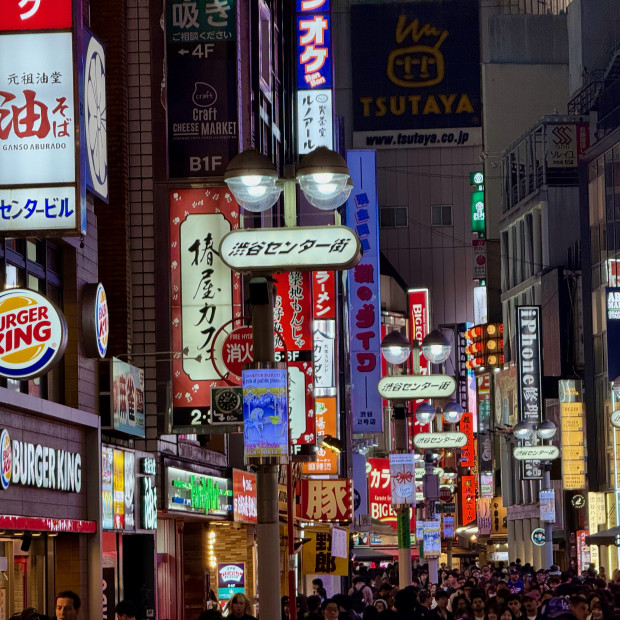
Tokyo, officially the Tokyo Metropolis, is the capital and most populous city of Japan. It is located in the Kantō region on the eastern coast of Honshu, Japan's largest island. The city proper has a population of over 14 million people, while the Greater Tokyo Area, which includes the surrounding prefectures, is the most populous metropolitan area in the world, with a population exceeding 37 million.
Historical Outline
Tokyo's history traces back to a small fishing village named Edo, which was first fortified in the 15th century. Its significance grew dramatically in 1603 when it became the seat of the Tokugawa shogunate, effectively making it the nation's capital. By the 18th century, Edo had become one of the largest cities in the world, with a population of over one million. Following the Meiji Restoration in 1868, the emperor moved the official capital from Kyoto to Edo, renaming the city Tokyo, which means "Eastern Capital."
The city has been devastated on a large scale twice: first by the Great Kantō Earthquake of 1923 and the subsequent fires, and later by Allied bombing during World War II. Each time, the city was rebuilt. The post-war economic boom and the hosting of the 1964 Summer Olympics cemented Tokyo's position as a global metropolis.
Sensō-ji Temple
Sensō-ji, located in the Asakusa district, is Tokyo's oldest Buddhist temple. Its origins, according to legend, date back to the year 628, when two fishermen brothers discovered a statue of Kannon, the goddess of mercy, in the Sumida River. Despite their attempts to return the statue to the river, it always came back to them. A temple was established in 645 to honor the statue.
Over the centuries, the temple grew in importance, and its status was elevated in 1590 when the shogun Tokugawa Ieyasu designated it as a place of prayer for his clan. The temple complex was destroyed multiple times by fire, and its current main buildings, including the Main Hall and the five-story pagoda, are post-war reconstructions. The approach to the temple is marked by the Kaminarimon (Thunder Gate), with its distinctive, enormous red lantern, which has become a symbol of Asakusa and Tokyo. Beyond the gate lies Nakamise-dōri, a traditional shopping street that has existed since the late 17th century.